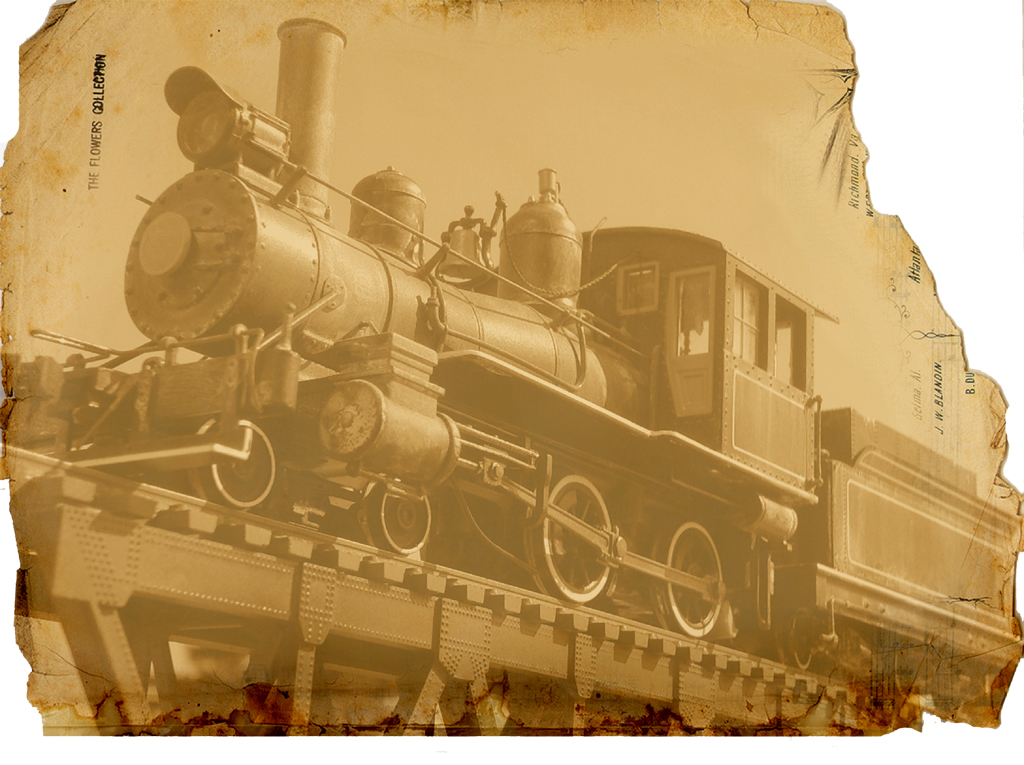
Joppa Iron Works
   
 
Steel and Urban Railroading in HO Scale
 

Jordan Bus finished for now

March 11th, 2012

This is the Jordan kit I started a week ago. Except for the bumpers and maybe a placard on the side for an advertisement, I’m done. The kit went well. The mint green color is an old Baltimore Transit Company color used on its buses until around 1973. I used to ride the 44x to school.

Thank you to all of the little people…

March 5th, 2012

I recently picked up a Jordan Bus model at MB Klein‘s in Cockeysville – I have been going there for 28 years and have been a decent hobby shop. This was my first Jordan model and plan to airbrush it after it is finished – shouldn’t be too hard since I’m careful with masking.

Anyway, a while back I purchased 1/100 scale figures on eBay that I have used for places where my citizens are more than 2 feet from the front of the layout. They are convincing and at the price I paid I can have a whole city of them for a few bucks unlike the more popular figures from Preiser and others.

Since I had a number of seated figures, this was the right time to use them in my Jordan Bus model. As you see from the pictures below, they fit just fine – and better than a normal HO scale figure would fit. On the first few pics I show assembly of the model, then adding people. The latter pictures show a comparison of the relative sizes of HO scale people versus the 1/100th scale figures – and I have to say that I am all about the smaller people!

My eyes are getting old for this and my hands are a little big for the pieces, but the interior is underway:

Here they are all seated. I added two more standees after this pic was snapped….

Here is the bus with the standees and the body setting on it:

Here is a shot of several people on the right that are sold as HO and their scale heights and the 1/100th scale people on the left that are a little better fitting into the bus: (that fellow with the lantern must be at least 300lbs!)

Here is a shot of them standing near the bus. I vote for 1/100th scale people!

Weathering Creatology Foam Roads

March 3rd, 2012

Up to now I have been a big proponent of this method for making roads, but have had few chances to actually weather the stuff beyond a few selected places on my railroad. Rather than just blow off hot air, this time I am going to show the process.

So with no further ado, I chose a section that needed weathering (beyond dust) and documented what I did with my handy camera- usually I shoot later and regret it, but decided to document it here. This is the beginning shot of the area – it is on the side of the railroad that you see when you enter the train room. As I am still detailing, there are no crossing signals yet and more detail is needed, but you’ll get the drift.

I have had these weathering chalks forever – and if you recognize who made them let me know so I can get more. Recently in MRH I saw someone with the same chalks and made me think to ask here. The colors here are white, grey, and two shades of brown.

Using a knife blade I scratched off chalk over the section I am weathering letting the dust fall where it will. For the dirty edges of the road I am using brown, and for the middle of the road white and grey. Here it is before working it in with a brush:

After the above step I use a trash 2″ brush from any big box store to work the chalk into the roadbed:

On the dirt sections I press the brush down and in circles. It creates a chalk smudge near the edge of the road that matches my dirt that was glued down much earlier. Here is what the smudges look like prior to streaking the road:

Now it is beginning to look like something! It looks like old muddy leftover crud from a rain that washed onto the road – or old dusty dirt that has spilled onto the street. I am not sure that you can overdo something like this. Now for the next step I smudge the chalk into the direction of traffic travel – back and forth until all of the little specks of chalk have been worked into the foam road bed:

In the picture above I tweaked the contrast a bit to exaggerate what you see on the road. Here are more pictures:

I hope that someone else tries this out and has a good experience with it. When I looked at the amount of street I wanted on my railroad and the cost of commercial products, I was either going to do something else less expensive or re-think the whole city approach. Glad I found this inexpensive way to create streets!


Paper Scrapers…

February 29th, 2012

I am always looking for alternate methods of creating something. With regard to road material, I have used Creatology Fun Foam, card stock, styrene. For foliage I have used pot toppers, moss, lichen, various Walther’s products, dirt, etc.

When it comes to buildings, kits are nice but sometimes I need something different. There are few kits to represent taller buildings, so I went on a path to create some of my own structures out of different materials. There are a few buildings that are paper-sheathed over FoamCore:

And sometimes I need something made from PlexiGlas:

This is a reasonable and inexpensive way to create a city and not too time consuming. If you have questions about how these came to be, email me at joppaironworks – AT – yahoo – dot – com

FoamCore, cardstock, color prints…..

February 18th, 2012

This is a post I was able to rescue via cached web pages after I changed servers…..

“I have been playing with card stock models for a while now. The layout needed a passenger station and I located an HO scale image for Knox College’s “Old Main” building. It was selectively compressed and not made to plan. The structure is printed surfaces over foam core with a scratchbuilt canopy:

It looks OK in person and in pictures.

This area is not finished. There is a lot of other work that needs to be done as well as weathering…

The Penske truck and DHL van started as plain vehicles that I made decals for. Enjoy.

People make the difference….

February 18th, 2012

Sounds corny? I have had few people on my layout over the years basically because they are hard to paint. Enter eBay… a vendor had 100 figures for under five bucks. They are 1/100th scale which close to HO scale, and they work out just fine. I’d always thought that the regular HO figures were a bit big in some cases and after a few quick measurements, my old HO people were all six footers and over! They worked out well enough that I have ordered more of them.

Anyway- these were already painted and I dusted them with black chalk to bring up the details and kill the shine. They are not front line figures, but are great for areas that are arms-length. Here is the first blast of people:

Improving performance on Athearn’s Hustler Locomotive

February 18th, 2012

These engines can still be found around at swap meets, train shows, and online. They are neat little engines but have historically suffered from poor performance. Rather than trash it I decided to try a little work for getting better electrical pickup. There is a commercially available remotoring kit, but this small engine still only has 4 wheels on the rails and no upgrade to the motor will change this dynamic. Here is what I did.

First, I decided that the engine needed more contact with the rails, therefore I added track wipers to the bottom of the locomotive. Here is what it looks like with the body shell on:

These have to be added carefully since the frame of the loco is a two piece frame. One side is electrically opposite polarity from the other side- so you need to add the wipers carefully. The goal is to have the wiper wipe across the tread area of the wheel AND touch the track. You will need two wipers- one at the front of the loco and one between the wheels. This will permit you to pick up electrical contact from different places and gives good performance when passing over a turnout.

First, I cut thin brass strips with scissors and glued them to the frame of the locomotive using Walther’s GOO and a dab of Super Glue to bolster the bond. I use this double gluing whenever I need a very strong bond that may need to hold up being bumped or handled. This application for double gluing in this method is perfect.

This is what the front wiper looks like:

and this is what the middle wiper looks like:

These wipers need to contact both the wheel and the rail. Brass is easily bendable and can be manipulated in such a way that you can get a good contact and permit better operation.

Afterwards, you will need to lubricate the engine at these points:

Don’t over oil or you will turn an operational train into a static model! Use oil sparingly- and I use clipper oil for lubricating my trains.

I would be interested in hearing if you try this.

Another dose of Fun Foam Roads

February 17th, 2012

Here are a few pics I took of my Creatology Fun Foam roads. I am looking to put together an article for MRH about this.

Below is a bridge that I recently created so that one of my roads didn’t terminate into thin air. It is foam core, wood, Faller railings, and Creatology Fun Foam (UNWEATHERED):

Another close up – not weathered yet:

This is somewhat weathered but uses Highball Cinder to create a look of crumbled macadam:

Patches in the macadam courtesy of a Sharpie marker:

Un weathered but striped with a paint pen from Michael’s Crafts:

A little weathering and more highball cinder for crumbled macadam:

Weathered. Garbage courtesy of my wood stove, shredded paper, and clipped up blue grocery bags that seem to be ubiquitous in the urban landscape:

Graffiti

February 16th, 2012

Per the Yahoo post, here are pics with decals for graffiti.

Glass Plate Photo Look…

February 12th, 2012

I’ve always liked old glass plate photos. Here are a few samples that I have done from PhotoShop. I’ll post my process of doing this on another page:

This is the original engine for Joppa Iron Works bringing a caboose back for repair.

The crew at Joppa Iron Works had to create their own slag cars back in the day. This one was photographed outside of the rolling mill.

In town, Habersack’s Cafe has served thirsty customers since the early 1900′s and has a family heritage. The owner had a business relationship with GBS Brewery (which was close by) while many others were outlets for Monumental Beer.

Another old gondola on the grounds of the mill.

These pictures in PhotoShop require a base paper image. You can search for these on a site like Flickr if you type in “Textures” and search for the ones that are represented by old paper. It is interesting to me online that some people have such a hobby of looking for textures.

ADD YOUR EMAIL BELOW TO SUBSCRIBE TO YAHOO! HO SCALE STRUCTURES GROUP
Subscribe to HO_Scale_Structures

Powered by us.groups.yahoo.com


Railroad Theme by jaw themes | Powered By Wordpress - Theme Provided By Wordpress Themes - Linux How To